
Avoid These 5 Fence Installation Mistakes In Central Iowa Yards


If you are planning to build a fence in Ames or Fort Dodge, Iowa, a single oversight can turn a weekend home improvement project into an expensive legal or structural headache. The secret to a successful fence installation in central Iowa lies in understanding local soil behaviors, navigating municipal property laws, and preparing for volatile Midwestern weather.
Getting a long-lasting perimeter requires precise planning before the first post hole is dug. Avoiding common installation pitfalls saves thousands of dollars in repairs and ensures your property remains secure for decades.
Setting Fence Posts Too Shallow for Iowa Frost Lines
One of the most frequent structural failures in central Iowa fencing happens right under the surface. Many property owners dig post holes to a standard depth of 24 inches, assuming it provides enough leverage. In Iowa, this mistake causes fences to lean, warp, or completely pop out of the ground within a few seasons.
Central Iowa experiences severe freeze-thaw cycles. During winter, the ground freezes deep, causing the moisture in the soil to expand and push upward. When July arrives, high humidity and sudden dry spells cause heavy clay soils to shrink and crack. If your fence posts are sitting above the frost line, this continuous shifting throws the entire fence line out of alignment.
To prevent this issue, all structural fence posts must be anchored at a minimum depth of 36 to 42 inches. This depth ensures the base of the post sits safely below the frost line, anchoring the structure in stable, undisturbed earth.

Additionally, the shape of the concrete hole matters just as much as the depth. Avoid digging a cone-shaped hole that is wider at the top than the bottom. A cone shape acts like a wedge; when the frozen ground expands, it grabs the wide top of the concrete block and lifts the post easily. Instead, dig straight vertical walls or a bell-shaped bottom to lock the concrete securely into the clay.
Ignoring Property Boundaries and Local Zoning Ordinances
Guessing where your yard ends is a risky gamble that frequently leads to tense conversations with neighbors or formal citations from city code enforcement officers in Ames or Fort Dodge. Many homeowners mistakenly assume their current mowing lines, old landscaping beds, or existing trees accurately mark the legal property boundary.
Building even two inches inside your neighbor’s property can legally obligate you to tear down the entire brand-new fence at your own expense. Before ordering any fencing materials, complete these two critical administrative steps:
Locate Modern Survey Pins: Hire a licensed land surveyor to find or reset the iron pins at the corners of your lot.
Review HOA Covenants: Even if the city allows a specific fence design, your local neighborhood association might ban it outright.
Municipalities across central Iowa also enforce strict regulations regarding fence height and placement, particularly for corner lots.
Important Corner Lot Rule: In both Ames and Fort Dodge, standard zoning laws protect street visibility. Fences built on corner lots usually cannot exceed 2.5 to 3 feet in height within the "sight triangle" near the intersection. This restriction ensures drivers can see oncoming traffic clearly around the bend.
For standard backyard sections, privacy fences are typically capped at 6 feet in height. Front yard fences face tighter limits, often restricted to 3 or 4 feet, and usually require a high degree of transparency, such as a picket or split-rail style. Always submit a clear plot plan to your local building permit office to verify compliance before installation begins.
Skipping the Iowa One Call Utility Location Request
You cannot safely guess where underground lines are buried. Central Iowa neighborhoods are packed with subterranean infrastructure, including high-voltage electric lines, fiber-optic internet cables, natural gas mains, and municipal water lines. Striking a utility line with a power auger or even a manual post-hole digger carries immediate, severe consequences.
Beyond the obvious risk of physical injury or blacking out the internet for your entire neighborhood, cutting a line makes you financially liable for the emergency repair bills. These utility repairs easily run into thousands of dollars.
The solution is simple, free, and legally mandated. Homeowners and contractors must notify Iowa One Call by dialing 811 or submitting a request online at least 48 hours before any digging occurs.
Once requested, professional locators visit your property to mark underground lines with color-coded spray paint or flags.
Red Flags: Electric power lines
Yellow Flags: Gas, oil, or petroleum lines
Orange Flags: Communication, cable, or internet lines
Blue Flags: Potable water lines
Always maintain a safe digging buffer zone. You must avoid using power tools within 18 inches on either side of any marked line. If your fence path crosses directly over a utility marking, carefully dig that specific post hole by hand with a shovel to avoid major damage.

Selecting the Wrong Fencing Materials for the Local Climate
Choosing a fence material solely based on the lowest upfront price tag usually leads to early structural failure. Iowa weather features extreme contrasts, moving from sub-zero winter blizzards to scorching, humid July afternoons. Not every material handles these wild atmospheric swings gracefully.
Untreated Wood
Standard, non-treated lumber begins rotting the moment it encounters wet Iowa soil. If you prefer the look of natural wood, select pressure-treated pine or northern red cedar. Additionally, ensure all assembly fasteners, screws, and brackets are made of hot-dipped galvanized steel or stainless steel. Standard interior screws rust rapidly, leaving ugly black streaks running down the wood and causing structural failure.
Low-Grade Vinyl
Cheap vinyl fencing becomes highly brittle when temperatures drop below zero. A stray basketball or a flying chunk of frozen snow from a snowblower can easily crack or shatter a low-quality vinyl panel during a January freeze. Look for heavy-duty, virgin vinyl fortified with impact modifiers and UV inhibitors to prevent yellowing and cracking.
Lightweight Aluminum vs. Chain Link
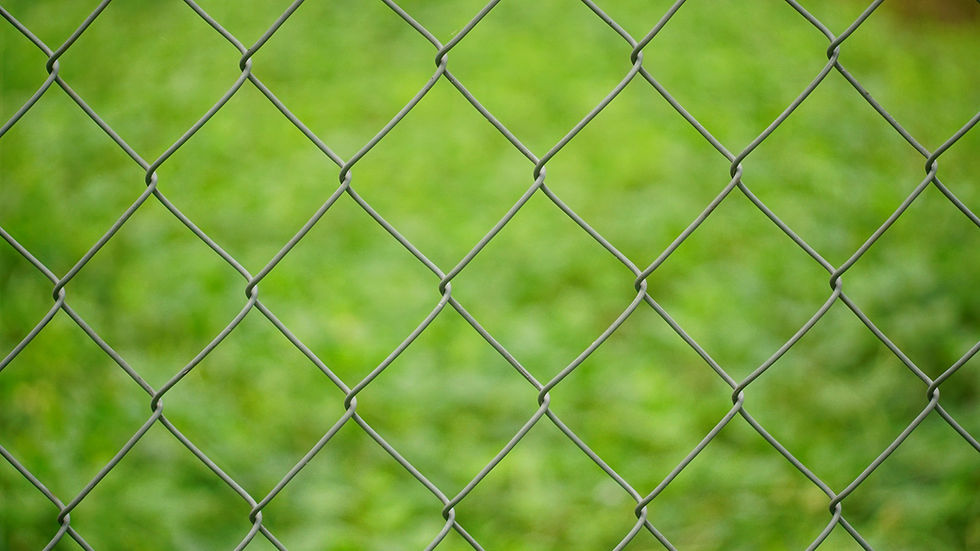
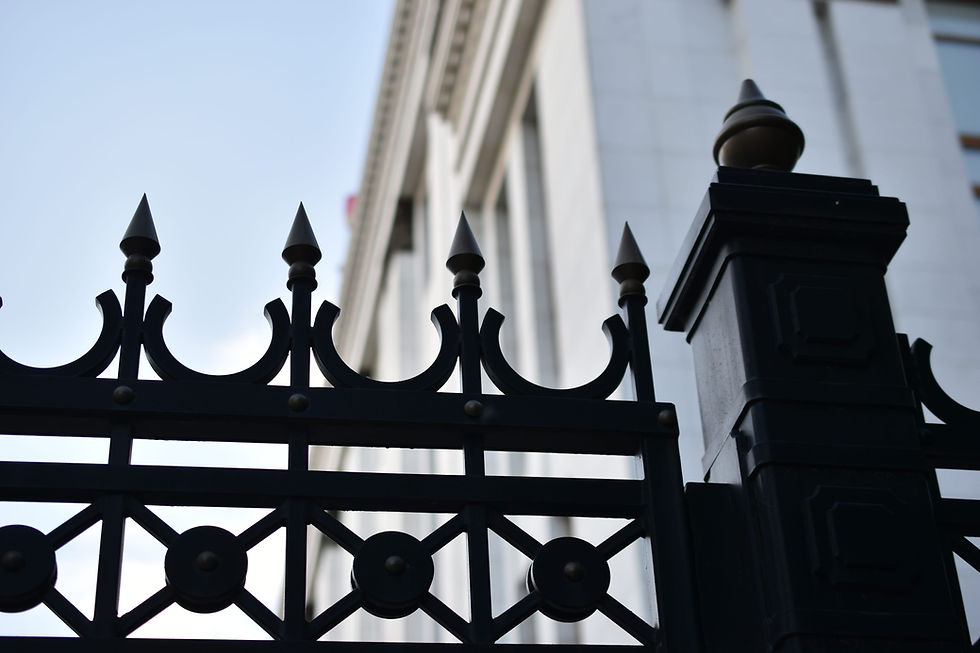
If you need a low-maintenance open-view barrier, high-quality aluminum resists rust permanently, making it an excellent long-term upgrade. For purely functional budget security or containing active pets, galvanized chain link handles severe winds and heavy snow drifts without bending or warping.
Neglecting Gate Placement and Heavy-Duty Hardware Specs
A fence is only as reliable as its weakest point, and that point is almost always the gate. Homeowners often treat gate planning as an afterthought, building them out of leftover panel pieces and using cheap, undersized hinges. Within a few months, the gate begins sagging, dragging across the grass, and refusing to latch properly.
When designing your perimeter layout, consider how you intend to use your yard in the future. A standard 3-foot walk gate is perfectly fine for foot traffic, but it will block access for larger equipment. If you own a wide riding lawnmower, plan to hire a landscaping crew, or need backyard access for utility repairs, you will need at least one gate that provides a clear 5- to 6-foot opening.
Gate posts bear constant dynamic weight and movement. Because of this extra stress, gate posts must be thicker and set deeper than standard line posts. For instance, if your regular wood fence uses 4x4 posts, use a heavy-duty 6x6 post for the hinge side of the gate.
Always source industrial-grade, adjustable hardware. Over time, central Iowa’s seasonal ground shifting will cause slight structural movements. Adjustable hinges allow you to realign a sagging gate with a quick turn of a wrench, saving you from having to dig up and reset the entire support post.
Why Choose Midwest Fence & Gate?
Building a dependable fence requires specialized regional expertise that general online tutorials simply cannot provide. At Midwest Fence & Gate, we understand the specific nuances of central Iowa properties. From the stubborn clay soils of Fort Dodge to the strict municipal residential codes across Ames, our experienced team ensures your project is completed the first time correctly.
We manage the entire process from start to finish, including navigating local building permits, coordinating with Iowa One Call, and selecting high-grade materials built to withstand severe Midwestern weather. Whether you want to add private vinyl paneling to your backyard, install an ornamental aluminum pool barrier, or deploy commercial-grade perimeter security, we supply the reliable craftsmanship your property deserves.
FAQ
1. Do I need a permit to install a fence in Ames or Fort Dodge?
Yes, both cities require an approved building permit for most residential and commercial fence installations. The specific requirements depend on your exact property zone, fence height, and proximity to intersections or public rights-of-way. Always check with your local municipal planning office before starting construction.
2. Can I build a fence directly on my property line?
In many central Iowa communities, you can build a fence directly on the property line if your neighbors give written consent. However, if your neighbor does not agree, local ordinances often require a specific setback, forcing you to build the structure entirely inside your own boundary line.
3. How long does a professional fence installation take?
A standard residential fence installation typically takes between 2 and 4 days of active on-site work. This timeline depends on the overall size of your yard, the chosen materials, and soil hardness. The timeline also includes crucial built-in waiting periods to allow the concrete post footings to cure completely before hanging heavy panels or gates.
4. What is the best fence material for low maintenance in Iowa?
Vinyl and aluminum are the top choices for low-maintenance fencing in our region. Unlike traditional wood, these materials never require regular staining, painting, or chemical sealing. They wash clean easily with a garden hose and resist rust, rot, and insects through decades of shifting weather.
Ready to upgrade your home security and curb appeal without the installation stress? Contact the local team at Midwest Fence & Gate today to request an accurate project estimate and discuss the best material options for your yard.

Comments